

The Crucial Role of Advanced ACLS Training in Cardiac Emergencies
When a cardiovascular emergency strikes, the ticking clock is your greatest enemy. While basic CPR provides an essential starting point, saving a life through severe cardiovascular emergencies requires a much deeper level of clinical intervention. For Chicago healthcare professionals, advanced training is far more than a workplace checklist item; it is the definitive line between a tragic outcome and a patient walking out of the hospital.
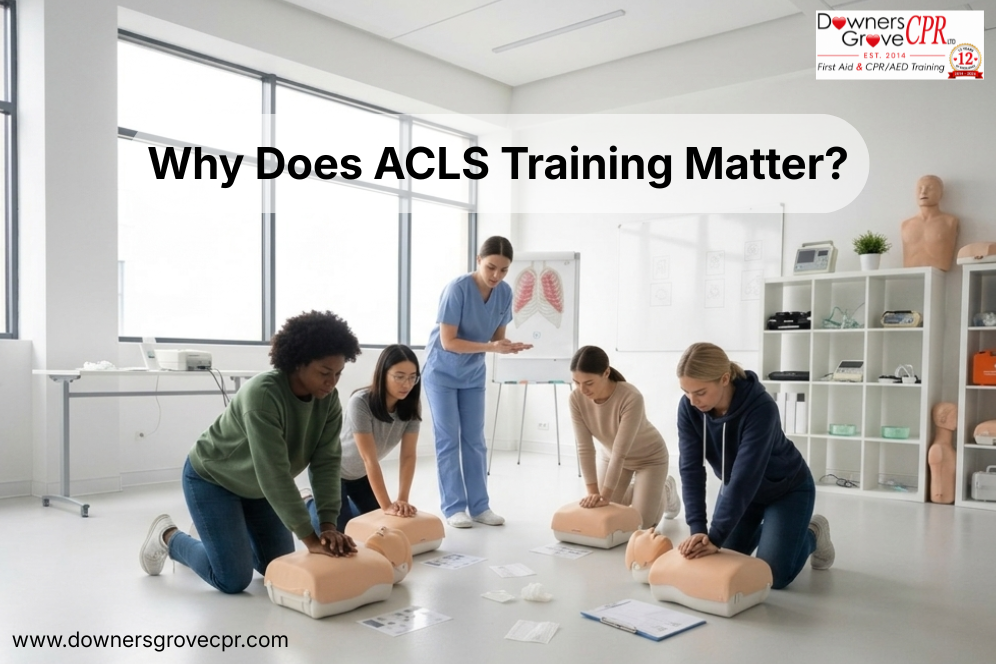
Advanced Cardiac Life Support (ACLS) bridges the gap between basic chest compressions and sophisticated clinical care. Whether you are at a local cafe when someone slumps forward, coaching a soccer game when a parent collapses, or at your desk when a co-worker stops responding, the reality remains unchanged. Before the sirens can even be heard, the most critical person in the room isn't a doctor arriving later; it is you. The true first responder is the person on the scene with the advanced knowledge and courage to act immediately.
What Happens When Emergency Response Is Delayed?
During sudden cardiac arrest, the brain and vital organs are starved of oxygenated blood. For every single minute that passes without proper intervention, the patient's chances of survival drop by roughly 10%. If an emergency response is delayed or lacks advanced direction, irreversible brain damage can begin in as little as four to six minutes.
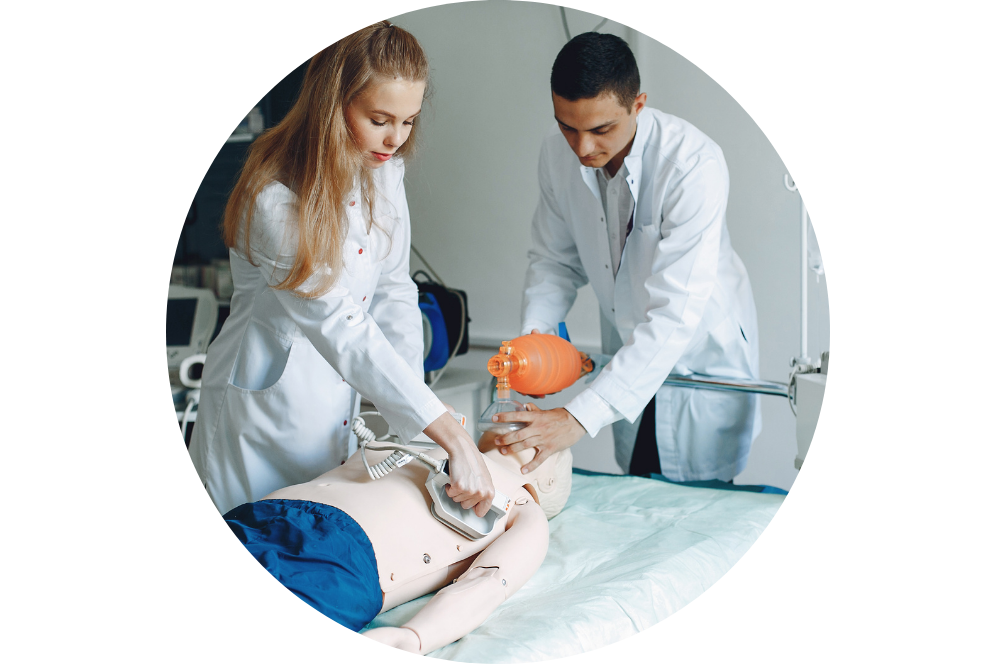
While basic life support stabilizes a patient temporarily, it cannot correct underlying lethal heart rhythms like ventricular fibrillation or pulseless ventricular tachycardia. Without a swift transition to advanced care, the body quickly enters a state of profound metabolic crisis, making successful resuscitation progressively harder to achieve.
Who Needs Advanced ACLS Certification the Most?
ACLS training is specifically designed for healthcare personnel who either direct or participate in the management of cardiopulmonary arrest, stroke, and acute coronary syndromes, making it the ideal time to upgrade your clinical life-saving skills. In major medical hubs across Cook County and DuPage County, this certification is a strict career requirement for a wide array of professionals:
Hospital Providers: Emergency room physicians, critical care units (ICU) nurses, and surgical teams who handle immediate post-cardiac-arrest care.
First Responders: Paramedics, flight medics, and advanced EMTs navigating unpredictable pre-hospital environments.
Outpatient Clinical Staff: Personnel working in urgent care centers, medical aesthetics clinics, and comprehensive wellness facilities where sudden emergencies can still arise.
If your role requires you to administer emergency pharmacology, interpret electrocardiograms (ECGs), or lead a code blue response team, keeping an active American Heart Association (AHA) credential is a professional necessity.
Real-Life Situations Where ACLS Saves Lives
An ACLS course does not just teach theoretical textbook rules; it builds actionable clinical skills for high-stress scenarios. Consider a few common real-world situations where these algorithms directly change patient outcomes:
The Unstable Arrhythmia: A patient in an outpatient facility experiences severe symptomatic bradycardia (a dangerously slow heart rate). An ACLS-trained provider recognizes the warning signs early and prepares transcutaneous pacing before the patient collapses.
The Sudden Code Blue: In a hospital ward, a patient drops into pulseless electrical activity (PEA). The resuscitation team immediately implements a systematic approach, identifying the reversible causes (such as dehydration or electrolyte imbalances) while maintaining continuous, high-quality chest compressions.
Acute Ischemic Stroke: Fast recognition of neurological deficits allows the team to initiate targeted stroke pathways, minimizing long-term brain tissue damage.
How ACLS Training Improves Team Communication
A major focus of modern AHA guidelines is high-performance team dynamics, in which seamless collaboration ensures that a lifeis saved. A resuscitation attempt can quickly devolve into chaos if roles are poorly defined or communication breaks down.
Proper training introduces the concept of closed-loop communication. When a team leader orders a medication or an electrical shock, the team member verbally confirms the order before executing it and then confirms completion. This simple, structured loop eliminates critical errors, ensures exact medication dosages are tracked, and keeps the entire code running smoothly under pressure.
What Skills Are Covered in Advanced ACLS Training?
The comprehensive curriculum moves systematically through the critical phases of adult resuscitation. When you enroll in an instructor-led class, you will master several complex clinical areas:
Advanced Airway Management: Choosing and placing appropriate airway adjuncts and using bag-mask ventilation devices effectively.
Rhythm Recognition & Electrical Therapy: Rapidly identifying lethal rhythms on a monitor and safely executing synchronized cardioversion or defibrillation.
Emergency Pharmacology: Understanding the precise administration and timing of life-saving medications like epinephrine, amiodarone, and adenosine.
Mastering Advanced Life Support Supplies and AEDs
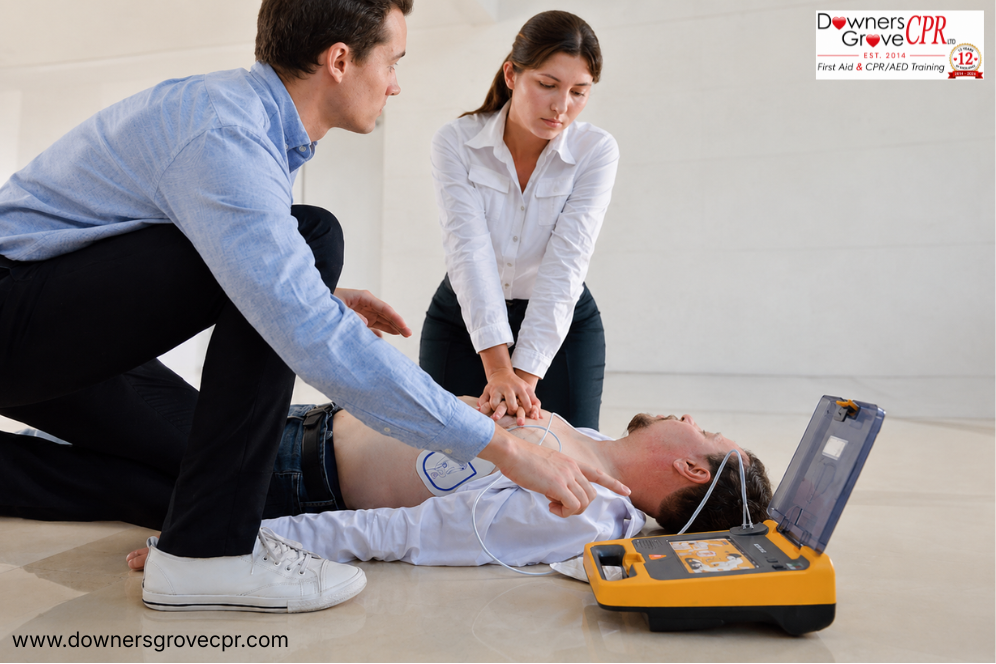
Advanced ACLS certification requires hands-on practice with real emergency response equipment to prepare healthcare professionals for critical situations. At Downers Grove CPR, students receive practical training using professional-grade AEDs (Automated External Defibrillators) and advanced medical training supplies commonly used in hospitals and emergency care settings. Because every organization needs an AED on-site, these training tools help healthcare providers build confidence in responding to cardiac arrest, analyzing cardiac rhythms, managing airways, and providing emergency patient care. By practicing with industry-standard ACLS equipment, medical professionals across Chicago gain real-world experience that supports faster and more effective emergency decision-making.
What Sets Our Training Apart
At Downers Grove CPR, we do not compromise on the caliber of our instruction. Our courses are hands-on, practical, and meticulously aligned with official American Heart Association (AHA) standards, ensuring your certification is nationally recognized and fully compliant.
Our instructional methodology centers on three distinct professional pillars:
Clinical Confidence: We cultivate the decisive decision-making skills required to manage high-stress cardiac anomalies seamlessly under pressure.
Authentic Simulation: We integrate premium, hospital-grade AED trainers and advanced simulation equipment to provide realistic, hands-on tactile feedback.
Professional Accountability: We uphold the integrity of our credentials, ensuring they are earned through proven practical mastery and objective competence.
How Downers Grove CPR Supports Healthcare Professionals
Finding a training center that accommodates your busy schedule while delivering top-tier instruction can be challenging. Downers Grove CPR addresses this issue by providing highly practical, engaging courses led by experienced first responders and medical professionals.
W hether you prefer a traditional classroom setting with direct instructor feedback or a flexible online hybrid path (where you complete web modules at home and visit the facility for a fast, hands-on skills test), they accommodate your learning preferences. For hospital groups or local medical offices, they can also bring the entire training setup directly to your job site, ensuring your team masters the importance of proper CPR and AED training in their actual day-to-day clinical environment.
Why Partner with Downers Grove CPR
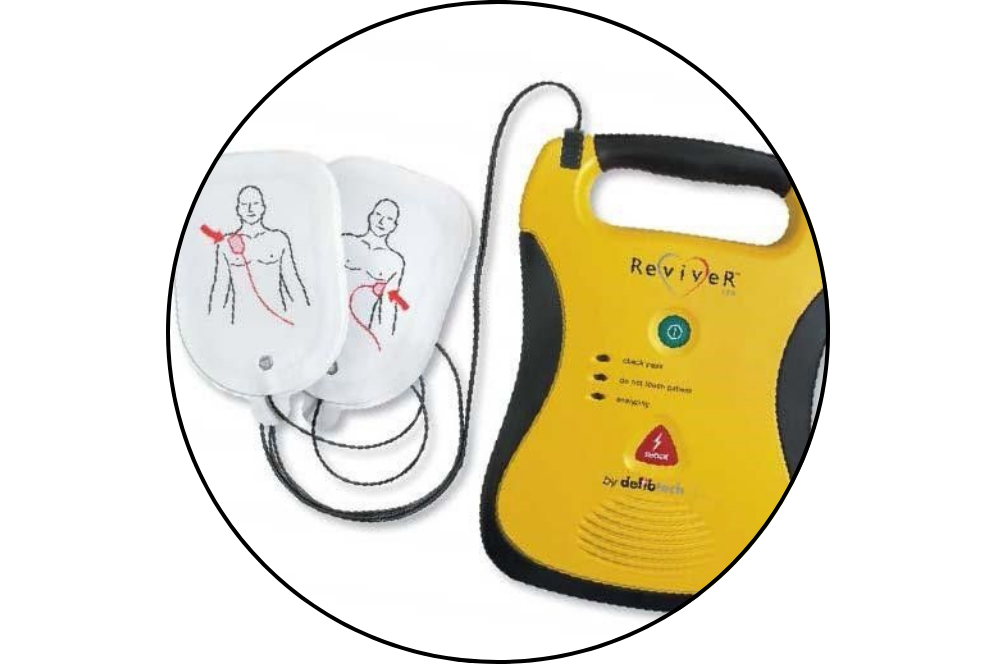
As an official AHA training site, Downers Grove CPR provides premier certification courses led by veteran first responders and elite healthcare professionals. By utilizing hospital-grade AEDs and advanced medical simulation tools, their expert instructors bridge the gap between classroom theory and real-world cardiovascular emergencies. Whether conducting flexible on-site training for medical offices or specialized courses at their dedicated facility, Downers Grove CPR builds the clinical confidence required to ensure every resuscitation attempt results in a life saved.
Ready to Renew or Earn Your Credential?
Don't let your certification lapse before your next shift. Explore available class times and secure your spot today to build true clinical confidence for your next major medical emergency.
View the class calendar and contact us for your ACLS course today.
Frequently Asked Questions:
1. How long is the ACLS certification valid?
Ans: Your official American Heart Association eCard is valid for exactly 2 years from the date of course completion.
2. What is the passing score for the written exam?
Ans : To earn your certification, you must participate fully in all practical skills stations and achieve a score of 84% or higher on the 50-question, multiple-choice written exam.
3. Do I get my eCard the same day?
Ans: Yes. When you successfully complete your classroom session or hybrid skills check with Downers Grove CPR, your official AHA provider card is processed and issued electronically the exact same day.
